
Setting the record straight on NAS³ technology — from the people who engineered it.
Innovation tends to attract skeptics. That’s fair. When something challenges over 150 years of brass-case convention, questions are going to follow. Since we introduced our NAS³™ (Nickel Alloy Shell) cases in 2016, we’ve heard it all: “They’re just steel cases.” “You can’t reload them.” “They’ll chew up your extractor.”
We get it. Skepticism is healthy. But misinformation isn’t. So, let’s do what we do best: use engineering and evidence to separate myth from fact. Here are the most common misconceptions we hear about nickel-alloy and hybrid cases, and the truth behind each one.
THE TRUTH: NAS³ cases are a two-piece, multi-material hybrid, not steel cases.
This is probably the most persistent myth out there, and we understand why it sticks. Our nickel-alloy cylinder is ferrous; it picks up with a magnet, so the “steel case” label gets slapped on by folks who haven’t looked closely.
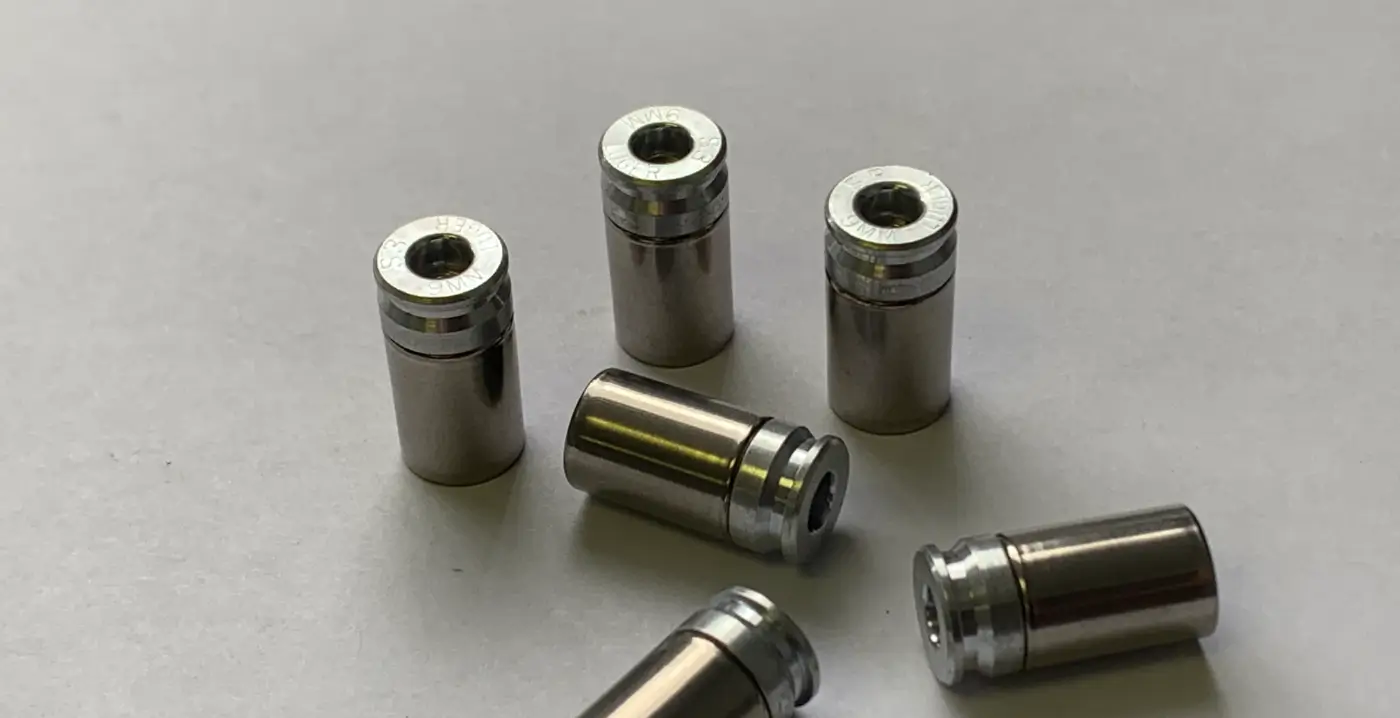
Here’s what NAS³ cases actually are: a proprietary nickel-enhanced stainless alloy cylinder mechanically locked to a solid, aircraft-grade aluminum base. For our pistol cases, those are two distinct, purpose-engineered materials working in concert. The aluminum base provides the lightweight foundation. The nickel alloy cylinder delivers tensile strength and elasticity that far exceeds traditional steel-cased ammunition.
Unlike cheap steel-cased surplus ammo, NAS³ cases are lighter than brass, self-lubricating, and engineered to be gentler on your extractor, not harder. There’s simply no comparison.
Sources: Shell Shock Technologies — NAS³ Technology Overview (shellshocktechnologies.com/technology); NRA American Rifleman, “Shell Shock Technologies NAS3 Cartridge Case 6+1 Challenge,” americanrifleman.org; all4shooters.com NAS3 review.
THE TRUTH: NAS³ cases are approximately 50% lighter than brass cases.
This one couldn’t be further from the truth. A standard brass 9mm case weighs roughly 63–64 grains. NAS³ 9mm cases clock in at 35 grains with near-zero variation, a reduction of over 45%. This is no rounding error. It’s a meaningful, measurable engineering advantage.
For competitive shooters who travel with ammunition, that weight savings translates directly into more rounds under airline weight limits. For law enforcement and military applications, it means lighter loadouts without sacrificing a single round of capability. And for handloaders, the consistency in case weight contributes directly to tighter velocity standard deviations.
Sources: AmmoLand.com, “Shell Shock Technologies NAS3 Shell Cases, 2-Piece Nickel Alloy ~ Video & Review,” ammoland.com; Shell Shock Technologies, “What Makes Shell Shock NAS3 Ammo Cases Better Than Brass?” shellshocktechnologies.com/academy; John Vlieger sponsored shooter profile, all4shooters.com.
THE TRUTH: NAS³ cases are less abrasive than brass and engineered for smooth ejection.
The irony here is that it’s actually brass cases that are tougher on extraction systems over time. NAS³ cases are self-lubricating and less abrasive than brass, meaning they are gentler on your extractor and ejector mechanisms with every cycle.
Competitive shooter John Vlieger has fired over 200,000 rounds of ammunition with SST’s NAS3 cases in competition without case-related firearm damage, including at the 2025 IPSC Handgun World Shoot in South Africa. This is documented field performance at the highest levels of the sport.
Additionally, NAS³ cases will not balloon in unsupported chambers, a failure mode that can cause real extractor damage. The nickel-alloy cylinder maintains structural integrity under pressure, springs back to near-original dimensions after firing, and exits cleanly.
Sources: Shell Shock Technologies, “The Science of Consistency,” shellshocktechnologies.com/academy; all4shooters.com NAS3 review; Shell Shock Technologies product page, 9mm NAS³ 500-count cases, shellshocktechnologies.com/shop.
THE TRUTH: NAS³ pistol cases are fully reloadable — potentially 40+ times.
While it is true that our rifle cases cannot be reloaded, our 9mm pistol cases are fully reloadable. Yes, you will need specialized dies. The S3 Reload sizing and flaring dies use a polyurethane spring to push the case out rather than pull it, protecting the two-piece assembly. They thread into standard 7/8-14 presses, so there’s no need to upgrade your equipment. Beyond that, loading NAS³ cases is fundamentally the same process as loading brass.
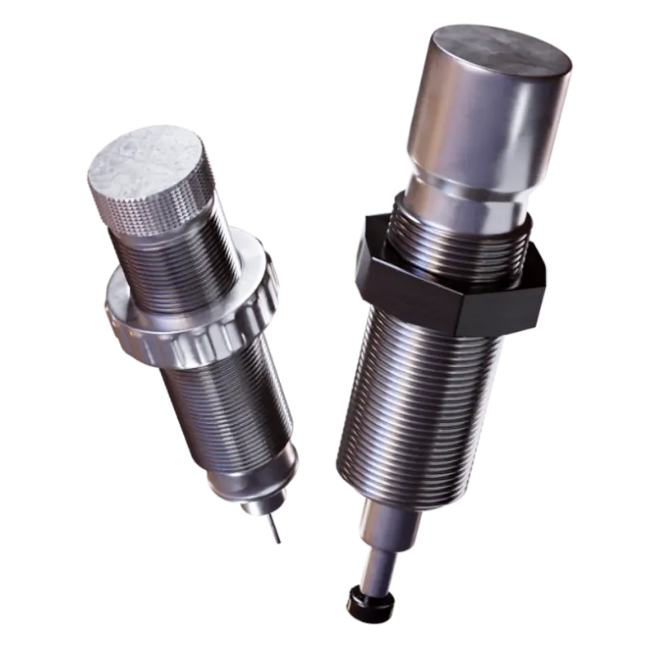
The key advantage? Unlike brass, NAS³ cases do not stretch. That means no trimming required across the reload life of the pistol case. SST has published video documentation of the same pistol case being reloaded 32 times, and the engineering supports even more cycles under standard-pressure loads. The NRA’s Shooting Sports USA testing confirmed there is no reason to doubt the multi-load claims.
One practical note: cases do require lubrication during the sizing step, just as you would with bottleneck rifle cases. That’s a minor workflow adjustment, and the payoff in terms of longevity and consistency is well worth it.
Sources: Shell Shock Technologies, “Why We Believe Reloading with NAS³ Cases Changes Everything,” shellshocktechnologies.com/academy; NRA Shooting Sports USA, “Handloading Shell Shock Technologies NAS3 Cases,” ssusa.org; NRA American Rifleman “6+1 Challenge,” americanrifleman.org.
THE TRUTH: Higher velocity is achieved through increased case volume at standard SAAMI pressures.
This misconception stems from a misunderstanding of how NAS³ cases actually produce improved performance. It’s not about running hotter; it’s about geometry. NAS³ cases have thinner cylinder walls than brass, which translates to greater internal volume. A 9mm NAS³ case holds approximately 9% more powder than a standard brass 9mm case (14.8 grains vs. 13.3 grains). Rifle cases show an even larger advantage at around 11% more capacity.
That additional volume allows for slower-burning powders, more complete combustion, and a longer sustained push on the projectile through the barrel, all without exceeding SAAMI pressure specifications. SST does not recommend loading NAS³ cases beyond SAAMI specifications. Doing so with any case, brass, nickel-alloy, or otherwise, risks weapon damage and personal injury.
Independent testing by NRA publications confirmed that the same load in NAS³ cases produced measurably higher velocities than in equivalent brass cases, not because of pressure, but because of physics.
Sources: Shell Shock Technologies, “What Makes Shell Shock NAS3 Ammo Cases Better Than Brass?” shellshocktechnologies.com/academy; NRA Shooting Sports USA, “High Pressure Loads in Shell Shock NAS3 Cases,” ssusa.org; NRA Shooting Sports USA, “Handloading Shell Shock Technologies NAS3 Cases,” ssusa.org.
THE TRUTH: SST’s NAS³ 7.62×51 mm cases passed Naval Surface Warfare Center testing with zero failures.
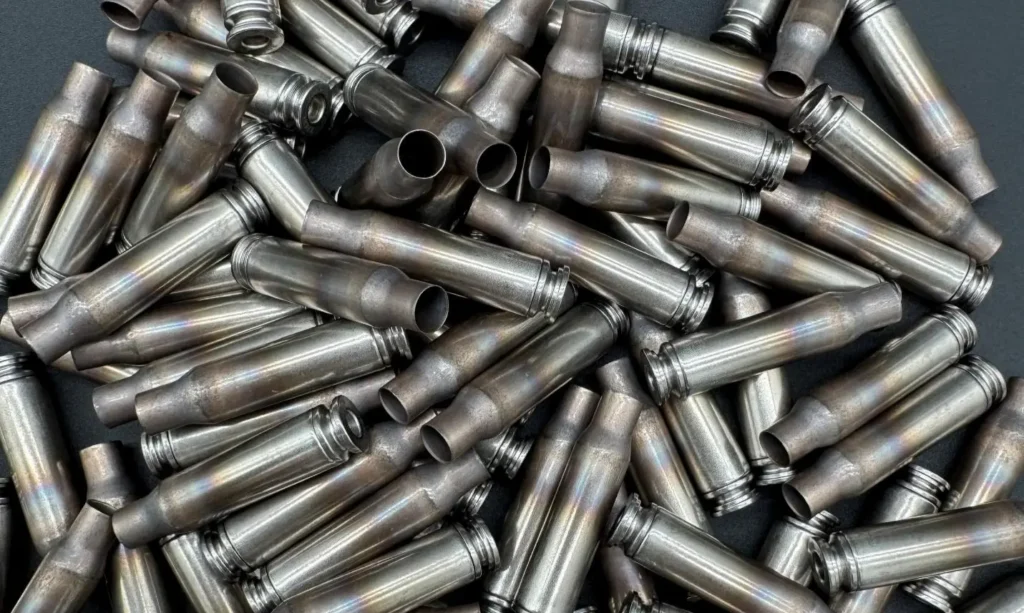
If you thought NAS³ was just for pistol-competition hobbyists, the U.S. Navy disagrees. Shell Shock Technologies’ 7.62×51 mm NAS³ cases completed rigorous testing at the Naval Surface Warfare Center, Crane Division, one of the most demanding test environments in the defense sector. The result was zero case failures.
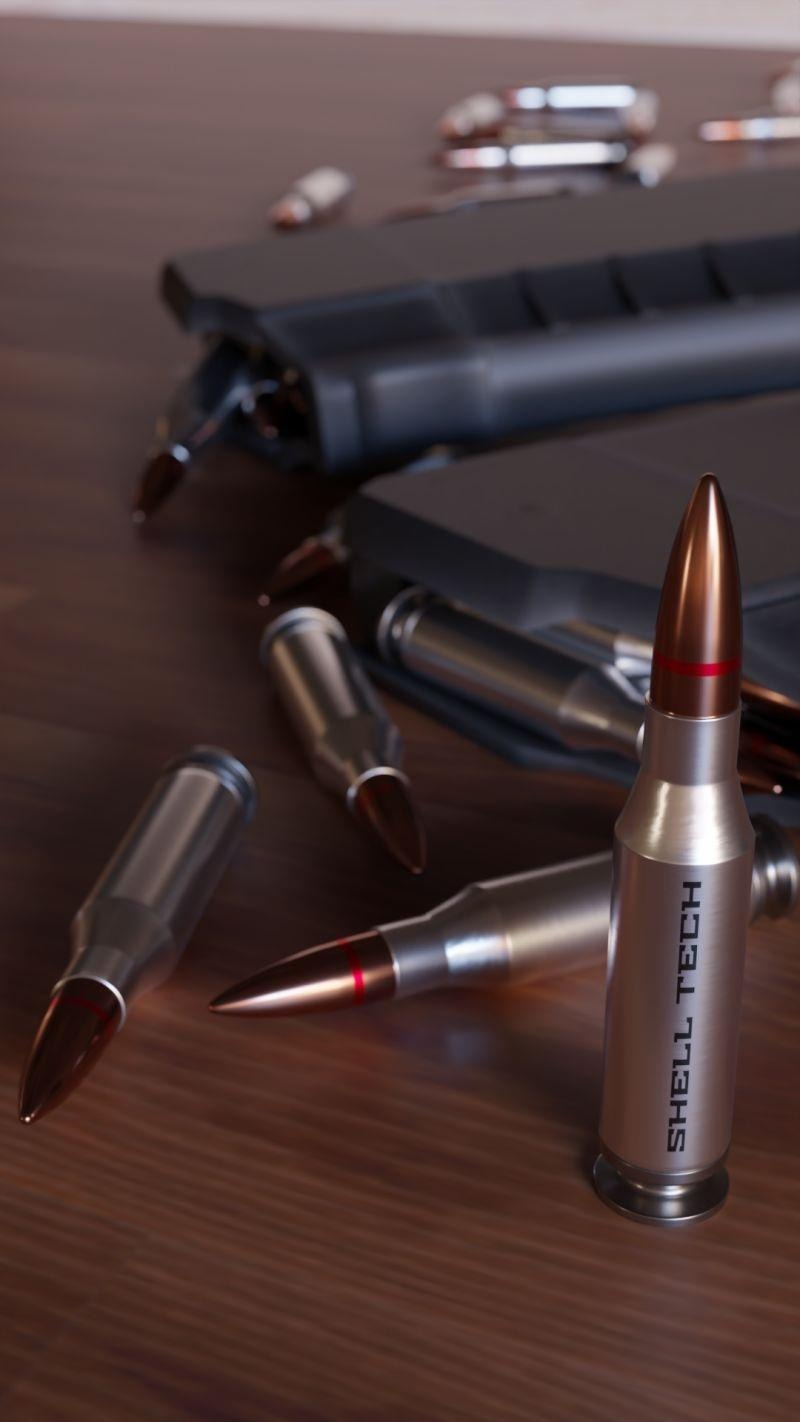
The evaluation included a 155-grain bullet configuration at 50,000 psi and 3,000 fps, tested in belt-fed automatic weapons, including the 240 Bravo and Minigun platforms, under violent fire conditions and harsh ejection cycles. Testing was also conducted at temperatures ranging from -40°F to +160°F. Every pressure and velocity benchmark was met or exceeded.
Sources: NRA American Rifleman, “Shell Shock’s Innovative 7.62 NATO Cartridge Case Passes Rigid Military Test,” americanrifleman.org; Black Basin Outdoors, “Shell Shock’s NAS3 7.62 NATO Case Technology Triumphs in Military Evaluation,” blackbasin.com.
We’ve spent nearly a decade fielding every version of these misconceptions, and we’re not offended by any of them. Skepticism is the natural response to a technology that fundamentally rethinks a 150-year-old standard. But the evidence is in from independent reloading reviews, USPSA open division championships, and U.S. Navy ballistic testing alike.
NAS³ cases are not a steel case. They are not a gimmick. They are not limited to single use. They will not destroy your firearm. They are an engineered solution, purpose-built, field-proven, and made in the USA, to every significant limitation of the traditional brass case.
The myths persist because innovation is hard to accept before you’ve seen it perform. So, try it for yourself. We’re confident the cases will do the rest of the talking.
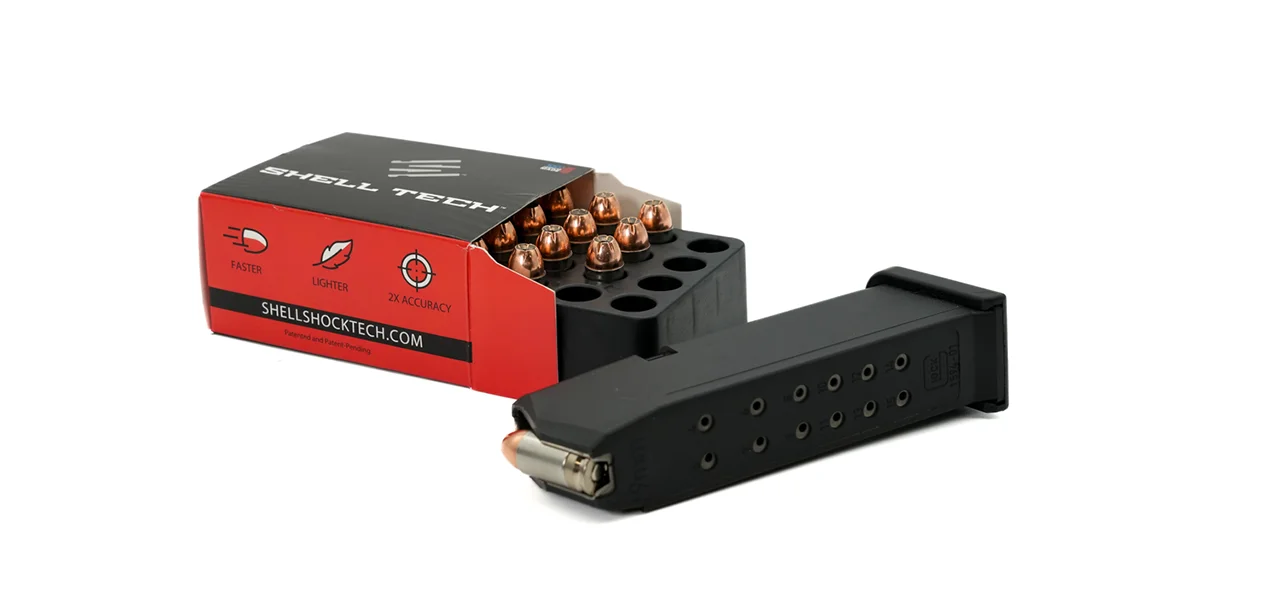
Explore NAS³ cases and Shell Tech Ammo at shellshocktechnologies.com.
All performance data referenced in this article is sourced from independent third-party reviews and testing. Shell Shock Technologies does not recommend loading NAS³ cases beyond SAAMI specifications.