
By John Vlieger, Shell Shock Technologies Sponsored Shooter
Reloading for competitive shooting is all about balance—striking the right mix between consistency, accuracy, and efficiency. Whether you’re gearing up for a local IDPA match or the USPSA Nationals, every round you chamber represents hours of preparation, attention to detail, and a commitment to performance.
In this post, I’ll break down my reloading process into three key areas: component selection, process, and quality checks. Each one plays a vital role in making sure your ammo works for you, not against you, on match day.

When it comes to competitive shooting, you want to eliminate as many variables as possible. Component selection is the foundation of everything that follows.
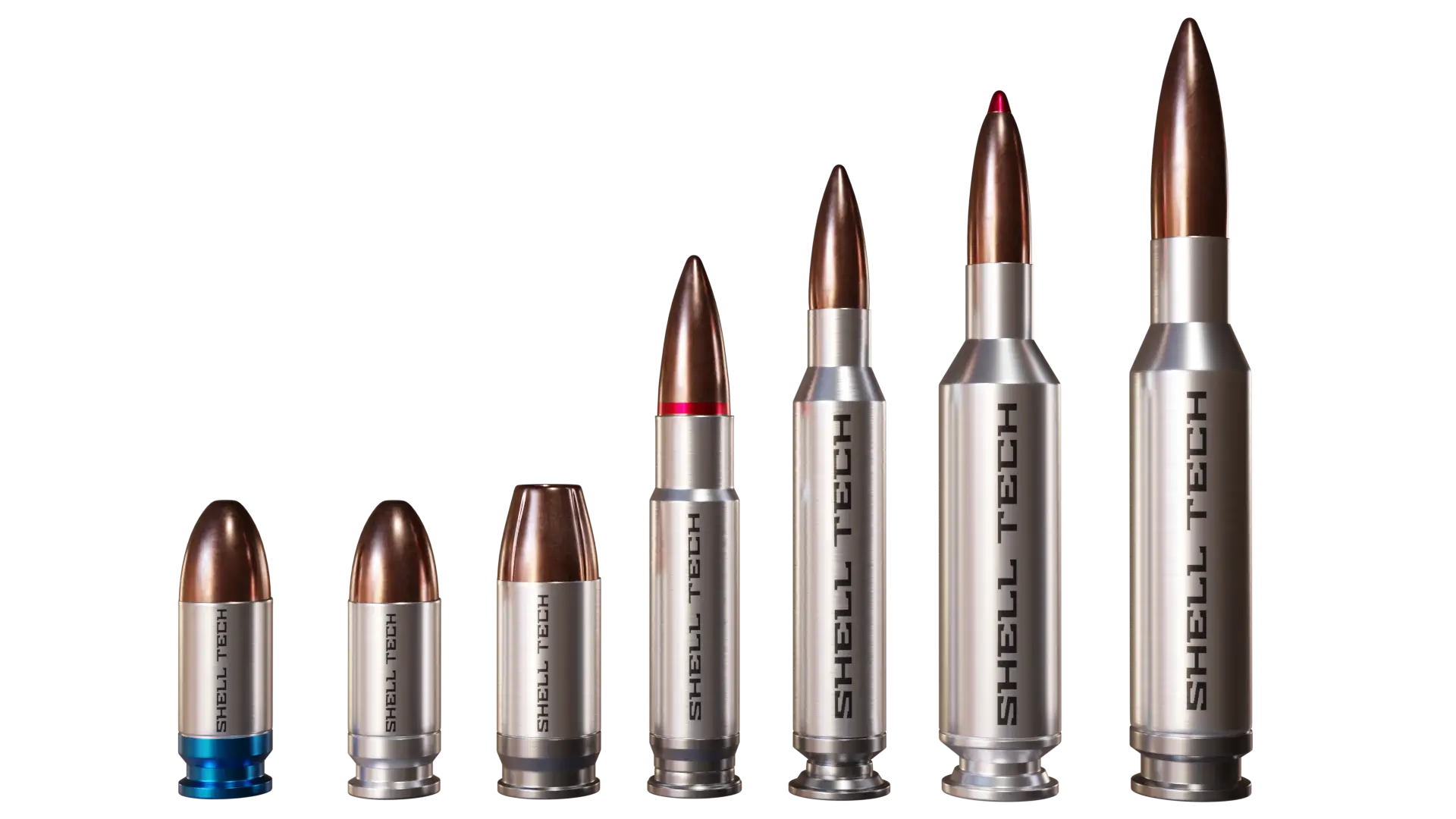
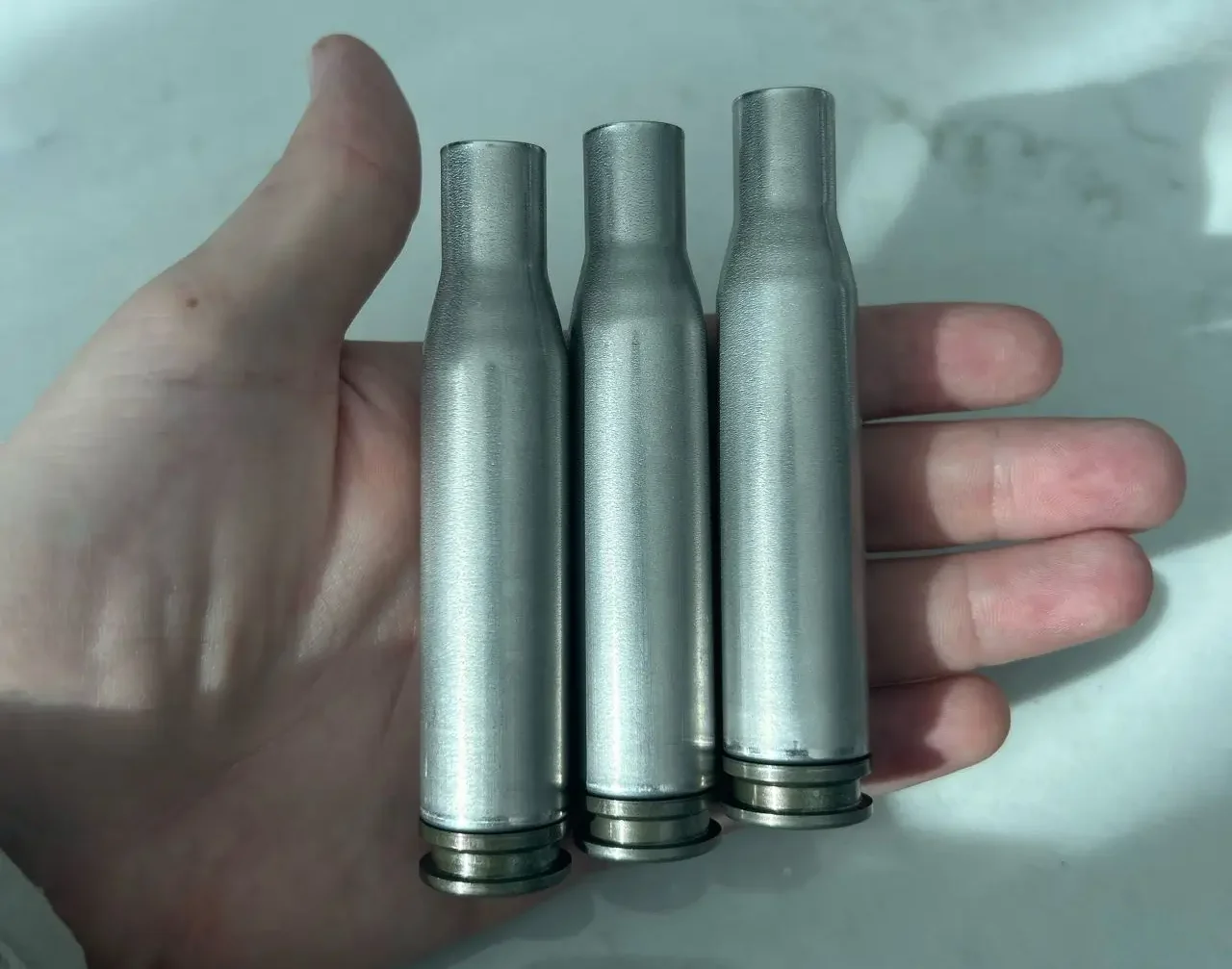
Start with the cases. For match ammo, I lean toward new or fully processed cases from reliable sources. Range pickup might be fine for training, but when you’re investing time and money to travel and compete, it’s not worth the risk of case failures. New or high-quality processed cases—like NAS³ cases from Shell Shock Technologies—offer added consistency, durability, and performance. Plus, they don’t require swaging and can be wet-tumbled without worry.
Your projectile choice should also be informed by your division and goals. In most divisions, coated lead bullets work just fine, but for divisions like Open, I prefer plated or jacketed hollow points (JHPs). They provide more reliable performance at higher velocities and better consistency across a broader range of firearms. The extra cost is worth the peace of mind and performance edge.
Powder and primers are also part of the equation. Whatever components you choose, stick with what your gun and your process prefer. And be ready to adapt. I regularly reevaluate based on deals, availability, and performance.
Your process matters just as much as your components—if not more.
I like to separate case processing from loading for multiple reasons. It allows me to:
With NAS³ cases, I skip swaging altogether, which saves time and effort. I still clean, size, and prep them ahead of time to ensure consistency.
When it’s time to load, consistency is key. I run an automated press, and I periodically pull rounds midstream to case gauge, measure overall length, and verify powder charges. If I’m able to shoot on my property, I’ll even fire a few rounds mid-run to check function and consistency in real time.
After loading, I label and separate each batch of ammo by purpose (training, local match, major match), component specs, and power factor. For example, I load 9mm Major and 9mm Minor, which use different powders and generate very different velocities. Mixing them up could be disastrous. Organization prevents that.
Once the rounds are loaded, don’t stop there. Quality assurance (QA) and quality control (QC) are your insurance policy.
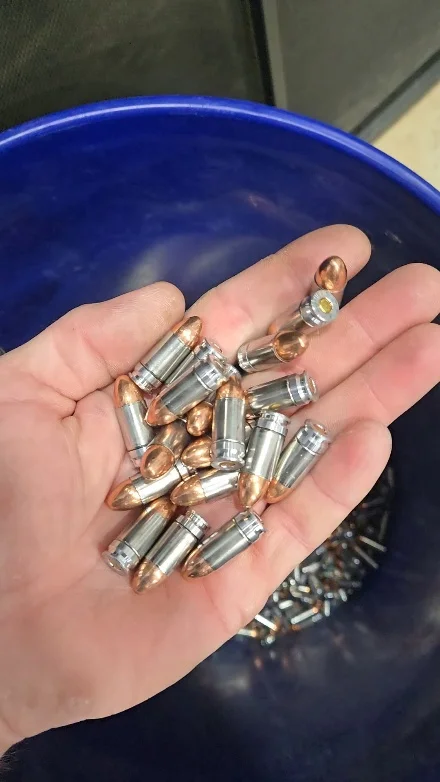
I store my match ammo in labeled bags with 3×5 cards that detail the date, components, and whether it’s been case gauged or chamber checked. It’s an easy system that pays big dividends.
Using NAS³ cases from Shell Shock Technologies adds another layer of performance to your reloading setup. They’re strong, consistent, and corrosion-resistant, and they can be reloaded multiple times with minimal variation. They also make it easier to achieve more consistent case tension and crimping, which improves both reliability and accuracy, two things every competitive shooter can appreciate.
Competitive shooting is about performance under pressure. The last thing you want is to question your ammunition when the buzzer goes off. Build a system that works for you—one that balances your goals, resources, and skill level—and stick to it. Confidence in your gear starts with the work you put in at the bench.
Stay safe, shoot straight, and good luck on the range.